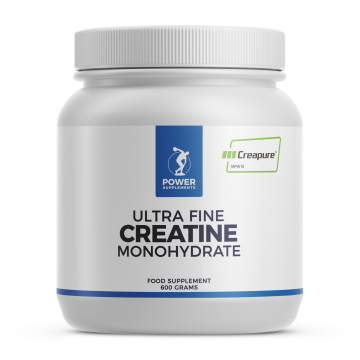

Alle vragen over Creatine Monohydraat 600g
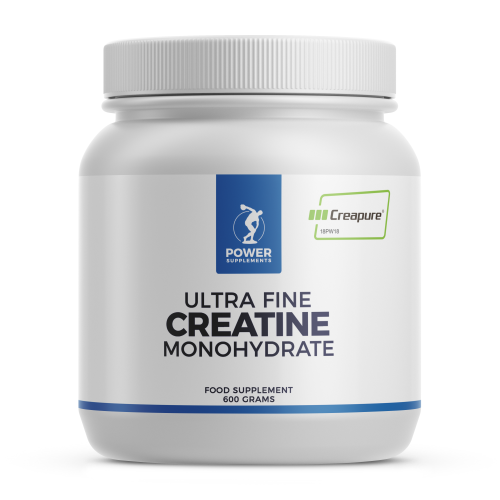
Er zit een perforatie in het seal
1
Klant vraag:

Dit gaatje is een bewust onderdeel van het seal en zorgt ervoor dat de potten niet indeuken of opbollen door drukverschillen tussen de plaats van productie en de locatie waar het product naartoe wordt verzonden.
De zijwanden van de potten zijn relatief dun en daardoor erg gevoelig voor drukverschillen. Zonder dit ventilatiegaatje kan de lucht in de fles opgesloten raken, waardoor de potten kunnen indeuken of opzwellen. Dit is een erg onaantrekkelijk gezicht ;-)
Deze ventilatie is volledig veilig en een gangbare oplossing binnen de industrie. Het poeder blijft gewoon droog bij een gesloten deksel.
De zijwanden van de potten zijn relatief dun en daardoor erg gevoelig voor drukverschillen. Zonder dit ventilatiegaatje kan de lucht in de fles opgesloten raken, waardoor de potten kunnen indeuken of opzwellen. Dit is een erg onaantrekkelijk gezicht ;-)
Deze ventilatie is volledig veilig en een gangbare oplossing binnen de industrie. Het poeder blijft gewoon droog bij een gesloten deksel.
Cyclisch suppleren creatine en l-citrulline
1
Klant vraag:
Mijn creatinesuppletiecyclus – mooi woord – baseer ik onder andere op het gestelde door Eigen Kracht (eigenkracht.nl/supplementen/specifieke-supplementen/creatine), zie onder Langzame oplaadmethode en vooral Kun je creatine continu gebruiken?. Mijn l-citrullinesuppletiecyclus laat ik daarbij aansluiten. Uiteraard heb ik meerdere bronnen geraadpleegd.
Hebben jullie, los van het gestelde op jullie website, aanvullende gefundeerde inzichten over creatine en l-citrulline suppletie? Kan mijn suppletiecyclus effectiever? Ik het raadzaam helemaal geen cyclus te hanteren, maar gewoon door te suppleren en evt. tijdens een deload (eens in de acht weken) te pauzeren?
In het artikel van eigenkracht lees ik het volgende:
Er zijn tot nu geen negatieve effecten van langdurig creatine-gebruik, maar fysiologen vermoeden dat sporters na 6 weken creatinesuppletie beter enkele weken geen creatine kunnen gebruiken. Zij vrezen dat het vermogen van het lichaam om zelf creatine aan te maken en te transporteren door suppletie vermindert. Het inbouwen van ‘creatinepauzes’ garandeert dat het lichaam de productie en het transport van creatine niet verleert.
Helaas zie ik geen referentie naar de bron van deze stelling. Op basis waarvan denken de fysiologen dat het lichaam verleert creatine aan te maken? Er is onderzoek (de bron heb ik nu niet voorhanden) waaruit gebleken is dat na 1 jaar continue gebruik van creatine de productie weer op gang komt wanneer de suppletie stopt. Dat lijkt me ook logisch. In een natuurlijke setting kan het voorkomen dat een mens dagelijks 4 gram creatine binnenkrijgt uit vlees of vis. Zo’n dieet kan jaren aan de orde zijn voor er een periode van schaarste aanbreekt. Vanuit evolutionair perspectief verwacht ik dat het lichaam op de schaartse in kan spelen door de aanmaak van creatine weer op te voeren.
Er is overigens een goed onderbouwde gedachtegang die stelt dat het continue gebruik van creatine heel gezond is. Een van de redenen wordt beschreven op Examine.com https://examine.com/nutrition/creatine-and-same .
De aanvoer van externe creatine werkt besparend op een belangrijke maar schaarse stof in het lichaam: s-adenosylmethionine ofwel Sam-e. Deze stof wordt normaal gesproken gebruikt voor de productie van creatine en voor andere processen. De creatineproductie legt nogal een flink beslag op de beschikbare hoeveelheid Sam-e waardoor er weinig overblijft voor de andere processen. Met creatinesuppletie blijft meer Sam-e beschikbaar wat heel gunstig is voor het lichaam. (Uitgebreide toelichting via bovenstaande link).
Persoonlijk gebruik ik creatine onafgebroken. Dat doe ik ter ondersteuning van spiergroei- en herstel, ondersteuning van cognitieve processen en voor ‘longevity’ doeleinden.
Ten aanzien van citrulline ben ik geen informatie tegengekomen die voor of tegen cyclisch gebruik spreekt.
Hartelijke groet,
Kris
Er zijn tot nu geen negatieve effecten van langdurig creatine-gebruik, maar fysiologen vermoeden dat sporters na 6 weken creatinesuppletie beter enkele weken geen creatine kunnen gebruiken. Zij vrezen dat het vermogen van het lichaam om zelf creatine aan te maken en te transporteren door suppletie vermindert. Het inbouwen van ‘creatinepauzes’ garandeert dat het lichaam de productie en het transport van creatine niet verleert.
Helaas zie ik geen referentie naar de bron van deze stelling. Op basis waarvan denken de fysiologen dat het lichaam verleert creatine aan te maken? Er is onderzoek (de bron heb ik nu niet voorhanden) waaruit gebleken is dat na 1 jaar continue gebruik van creatine de productie weer op gang komt wanneer de suppletie stopt. Dat lijkt me ook logisch. In een natuurlijke setting kan het voorkomen dat een mens dagelijks 4 gram creatine binnenkrijgt uit vlees of vis. Zo’n dieet kan jaren aan de orde zijn voor er een periode van schaarste aanbreekt. Vanuit evolutionair perspectief verwacht ik dat het lichaam op de schaartse in kan spelen door de aanmaak van creatine weer op te voeren.
Er is overigens een goed onderbouwde gedachtegang die stelt dat het continue gebruik van creatine heel gezond is. Een van de redenen wordt beschreven op Examine.com https://examine.com/nutrition/creatine-and-same .
De aanvoer van externe creatine werkt besparend op een belangrijke maar schaarse stof in het lichaam: s-adenosylmethionine ofwel Sam-e. Deze stof wordt normaal gesproken gebruikt voor de productie van creatine en voor andere processen. De creatineproductie legt nogal een flink beslag op de beschikbare hoeveelheid Sam-e waardoor er weinig overblijft voor de andere processen. Met creatinesuppletie blijft meer Sam-e beschikbaar wat heel gunstig is voor het lichaam. (Uitgebreide toelichting via bovenstaande link).
Persoonlijk gebruik ik creatine onafgebroken. Dat doe ik ter ondersteuning van spiergroei- en herstel, ondersteuning van cognitieve processen en voor ‘longevity’ doeleinden.
Ten aanzien van citrulline ben ik geen informatie tegengekomen die voor of tegen cyclisch gebruik spreekt.
Hartelijke groet,
Kris
Geeft creatine haaruitval?
1
Klant vraag:
Hoi Rob,
Er is 1 studie gedaan (2009) bij rugbyspelers waarin een stijging van de DHT spiegel werd gevonden na creatine suppletie. Dit is slechts 1 studie op enkele honderden (dierstudies + humane studies).
Geen enkele andere studie maakt melding van een stijging in DHT. Wel zijn er meldingen van zowel stijgingen als dalingen van testo. Het eventuele effect op hormonen lijkt dus meerdere kanten op te kunnen gaan.
Ik sluit niet uit dat er binnen de 'ruis' van stijgingen en dalingen een effect is gemeten dat er in werkelijkheid niet is. Het onderzoeksresultaat kan dus een toevallige uitkomst zijn. Er is overigens kritiek geleverd op de onderzoeksmethoden die gebruikt zijn in de betreffende studie.
Je kunt zo'n toevallige uitkomst vergelijken met de bevinding dat creatine slechter zou worden opgenomen als je de inname combineert met cafeïne. Dat effect is getest maar nooit meer gevonden in latere studies.
Er blijft in het geval van DHT wel twijfel omdat er überhaupt geen andere publicaties zijn verschenen van studies waarin creatine suppletie getest is op een invloed op het DHT-niveau.
Wat bijdraagt aan dit gebrek aan informatie is dat het uitblijven van een significant effect vaak resulteert in afzien van het indienen van een verslag bij een 'journal' of in het niet plaatsen van een artikel door de redactie van een journal. Zo blijven wij in het ongewisse.
Al met al verwacht ik dat er geen effect is van creatine op kaalheid.
Kris
Er is 1 studie gedaan (2009) bij rugbyspelers waarin een stijging van de DHT spiegel werd gevonden na creatine suppletie. Dit is slechts 1 studie op enkele honderden (dierstudies + humane studies).
Geen enkele andere studie maakt melding van een stijging in DHT. Wel zijn er meldingen van zowel stijgingen als dalingen van testo. Het eventuele effect op hormonen lijkt dus meerdere kanten op te kunnen gaan.
Ik sluit niet uit dat er binnen de 'ruis' van stijgingen en dalingen een effect is gemeten dat er in werkelijkheid niet is. Het onderzoeksresultaat kan dus een toevallige uitkomst zijn. Er is overigens kritiek geleverd op de onderzoeksmethoden die gebruikt zijn in de betreffende studie.
Je kunt zo'n toevallige uitkomst vergelijken met de bevinding dat creatine slechter zou worden opgenomen als je de inname combineert met cafeïne. Dat effect is getest maar nooit meer gevonden in latere studies.
Er blijft in het geval van DHT wel twijfel omdat er überhaupt geen andere publicaties zijn verschenen van studies waarin creatine suppletie getest is op een invloed op het DHT-niveau.
Wat bijdraagt aan dit gebrek aan informatie is dat het uitblijven van een significant effect vaak resulteert in afzien van het indienen van een verslag bij een 'journal' of in het niet plaatsen van een artikel door de redactie van een journal. Zo blijven wij in het ongewisse.
Al met al verwacht ik dat er geen effect is van creatine op kaalheid.
Kris
Creatine voor 16 jarige?
1
Klant vraag:
Mijn zoon is bijna 16 jaar en weegt 65 kg en traint nu een half jaar 3maal per week op de sportschool. fitnesse.
Is t verstandig dat hij creatine gaat gebruiken?
Hij gaat ook na elke training een eiwitshake nemen. Whey isolate.
mvg Sicco
Hallo Sicco,
Ons standpunt is dat men het beste wacht met prestatiebevorderende supplementen totdat iemand volwassen is. Volwassen betekent in dit geval dat de persoon is uitgegroeid / lichamelijk uitontwikkeld.
Kris
Ons standpunt is dat men het beste wacht met prestatiebevorderende supplementen totdat iemand volwassen is. Volwassen betekent in dit geval dat de persoon is uitgegroeid / lichamelijk uitontwikkeld.
Kris
Waarom geen creatine capsules?
2
Klant vraag:
ik wil voor het eerst creatine gaan gebruiken.
Nou lijkt het mij een stuk fijner om creatine in capsulevorm in te nemen..
Waarom verkopen jullie dit niet? Is de werking anders/minder? Ik koop mijn supplementen namelijk graag bij jullie.
Groeten,
Robin
Hoi Robin,
Er is heel weinig vraag naar creatine capsules. Creatine monohydraat van goede kwaliteit is zo goed als smaakloos. Je drinkt het makkelijk weg met een klein beetje water.
Verhalen over vieze creatine komen waarschijnlijk van creatine van slechte kwaliteit. Er schijnt een vervuiling in slecht geproduceerde creatine te kunnen zitten die heel bitter is.
Voor een dagdosering van 4 gram heb je 5 creatine capsules nodig (800 mg per stuk). Veel mensen vinden dat aantal capsules bezwaarlijk. Het maakt het product ook zeker tweemaal zo duur. Creatine kost niet veel, maar capsules maken is best kostbaar.
Creatine is overigens een perfecte aanvulling voor een shake. Je mixt het creatine poeder er zo doorheen.
Er is heel weinig vraag naar creatine capsules. Creatine monohydraat van goede kwaliteit is zo goed als smaakloos. Je drinkt het makkelijk weg met een klein beetje water.
Verhalen over vieze creatine komen waarschijnlijk van creatine van slechte kwaliteit. Er schijnt een vervuiling in slecht geproduceerde creatine te kunnen zitten die heel bitter is.
Voor een dagdosering van 4 gram heb je 5 creatine capsules nodig (800 mg per stuk). Veel mensen vinden dat aantal capsules bezwaarlijk. Het maakt het product ook zeker tweemaal zo duur. Creatine kost niet veel, maar capsules maken is best kostbaar.
Creatine is overigens een perfecte aanvulling voor een shake. Je mixt het creatine poeder er zo doorheen.
Okay, helder.
Ik heb gelezen dat je met capsules minder kans hebt op maagpijn, tandbederf etc.
Ik ben nogal gevoelig voor van alles en nog wat, vandaar.
Bij genoeg vocht inname zal er weinig kans zijn op kramp door creatine toch?
(Ik heb gedacht aan een magnesium supplement, maar als dit niet nodig is, liever niet).
Ik geloof niet dat supplementatie in grote hoeveelheden gezond kan zijn.
Voor mijn gevoel is het vaak de balans zoeken tussen puur aan gezondheid denken, en het focussen op spier toename.
Daarom zou ik het gebruik van creatine ook op een minimum willen houden, maar ben op zoek naar net een beetje meer resultaat (en daardoor motivatie).
3 gram per dag zou voldoende moeten zijn? Ik zou eigenlijk in de lente/zomer willen stoppen en in de herfst/winter creatine willen gebruiken. Is dit een goed idee of niet?
Thanks voor de reactie, ik hoop dat je mijn verdere vragen ook nog wil beantwoorden.
Ik ga deze creatine sowieso proberen.
Ik bestel graag bij jullie, omdat ik niet op zoek ben naar hype (schreeuwerige potjes etc.), maar naar kwaliteit :)
Ik heb gelezen dat je met capsules minder kans hebt op maagpijn, tandbederf etc.
Ik ben nogal gevoelig voor van alles en nog wat, vandaar.
Bij genoeg vocht inname zal er weinig kans zijn op kramp door creatine toch?
(Ik heb gedacht aan een magnesium supplement, maar als dit niet nodig is, liever niet).
Ik geloof niet dat supplementatie in grote hoeveelheden gezond kan zijn.
Voor mijn gevoel is het vaak de balans zoeken tussen puur aan gezondheid denken, en het focussen op spier toename.
Daarom zou ik het gebruik van creatine ook op een minimum willen houden, maar ben op zoek naar net een beetje meer resultaat (en daardoor motivatie).
3 gram per dag zou voldoende moeten zijn? Ik zou eigenlijk in de lente/zomer willen stoppen en in de herfst/winter creatine willen gebruiken. Is dit een goed idee of niet?
Thanks voor de reactie, ik hoop dat je mijn verdere vragen ook nog wil beantwoorden.
Ik ga deze creatine sowieso proberen.
Ik bestel graag bij jullie, omdat ik niet op zoek ben naar hype (schreeuwerige potjes etc.), maar naar kwaliteit :)
Gram creatine & mixen
3
Klant vraag:
Op de creatine verpakking staat per maatschep 4 gram creatine, echter op de zelfde verpakking staat in het Duits 3 gram creatine.. welke van de 2 is het ?
En hoeveel cl water moet je ongeveer gebruiken per maatschep?
Groetjes,
Hey Joost,
Het officiële advies voor de inname van creatine is 100ml vloeistof per gram creatine. Met dit advies bestaat er de minste last op darmbezwaren. Maar de meeste mensen kunnen 4 gram creatine gewoon innemen met een klein kopje water van 100ml. Uiteraard mag je het ook gewoon door een shake doen of door wat fruitsap.
Wat betreft de verschillen in dosering: Op de Duitse zijde van het etiket gaat het om een afgestreken maatschep. Die bevat 3 gram creatine.
Op het Nederlandstalige deel gaat het om een 'bolle' maatschep (met een hoopje er boven op). Die levert 4 gram creatine.
Kris
Het officiële advies voor de inname van creatine is 100ml vloeistof per gram creatine. Met dit advies bestaat er de minste last op darmbezwaren. Maar de meeste mensen kunnen 4 gram creatine gewoon innemen met een klein kopje water van 100ml. Uiteraard mag je het ook gewoon door een shake doen of door wat fruitsap.
Wat betreft de verschillen in dosering: Op de Duitse zijde van het etiket gaat het om een afgestreken maatschep. Die bevat 3 gram creatine.
Op het Nederlandstalige deel gaat het om een 'bolle' maatschep (met een hoopje er boven op). Die levert 4 gram creatine.
Kris
Bedankt voor je snelle en duidelijke reactie!
Als ik het goed begrijp kan ik dus ook creatine in een whey protein shake mixen ? Groeten,
Als ik het goed begrijp kan ik dus ook creatine in een whey protein shake mixen ? Groeten,
Yup, dat is een hele goede combinatie. Je mag creatine ook bij een maaltijd innemen.
Creatine mixen
1
Klant vraag:
Kan ik creatine ook met melk mixen gelijk met mijn whey temtation shake?
Of moet dit met water ingenomen worden?
Hoi Benjamin,
Je kunt creatine mixen met je eiwitshake, met water, fruitsap etc. Ook warme dranken en cafeïne houdende dranken zijn toegestaan. Alleen alcohol houdende dranken zijn een slecht idee.
Kris
Je kunt creatine mixen met je eiwitshake, met water, fruitsap etc. Ook warme dranken en cafeïne houdende dranken zijn toegestaan. Alleen alcohol houdende dranken zijn een slecht idee.
Kris
Creatine verlaagt antioxidanten status?
1
Klant vraag:
http://www.ncbi.nlm.nih.gov/pubmed/23259853
Hoi Rob,
Ik heb even de tijd genomen om een onderbouwde reactie te geven op je stelling. Graag begin ik met een meer algemene benadering. Daarna ga ik meer specifiek in op de studie waarnaar je verwijst.
Creatine is waarschijnlijk het best onderzochte prestatiebevorderende voedingssupplement ter wereld. En met recht. Het werkt goed en is naast het sporten toepasbaar voor het bevorderen van diverse andere processen in het menselijk lichaam. Een simpele zoekopdracht op pubmed met de woorden ‘creatine’ en ‘supplementation’ geeft ruim 1700 resultaten. Dat is heel veel.
Zo nu en dan is er een studie die een verrassende of zorgwekkende uitslag geeft. Vaak wordt dit opgepakt door reguliere media of door bloggers. Vooral ‘slecht nieuws’ kan als een lopend vuurtje over het internet rondgaan.
Eerder was er de bevinding dat de opname van creatine geremd wordt door cafeïne. Dat is een eigen leven gaan leiden op internet. Ook wij hebben die informatie overgenomen. Latere studies hebben een remmend effect van cafeïne niet kunnen bevestigen. Men gaat er daarom nu van uit dat het remmende effect er ook niet is. In de eerste studie is op de een of andere manier een verschil gemeten dat niet was toe te schrijven aan een interactie tussen cafeïne en creatine.
Nu kom ik bij de studie waarnaar jij verwijst. Daarin wordt een afname gemeten in de ‘totale antioxidant status’ van het bloed in de groep personen die creatine gebruikt. Die afname wordt niet gezien in twee groepen proefpersonen die maltodextrine (placebo) of niets gebruiken. Alle proefpersonen volgen een krachttrainingsprotocol.
De afname in antioxidant status is een bijzondere bevinding die inderdaad zorgwekkend kan zijn. Je kunt hier gelijk diep op ingaan en speculeren over de betekenis van de bevinding. Zo heeft krachttraining een direct effect op de antioxidant status via de productie van vrije radicalen en vanwege het voorkomen van ischemie-reperfusie. Dit laatste is het proces van tijdelijk afknelling van de bloedtoevoer. Ischemie-reperfusie heeft een zeer sterk effect op de vorming van vrije radicalen en daarmee op de antioxidant status. Creatine kan dit proces bevorderen door een toename van spiermassa (niet gezien bij deze proefpersonen) en toename van kracht (wel een toename gemeten).
Het schijnt dat sporters op den duur wennen aan de verhoogde vrije radicaalvorming doordat hun antioxidantsysteem sterker wordt. Ik ben verder niet bekend met de ‘ins and outs’ hiervan.
Maar de weg van speculeren over het waarom van de bevinding wil ik eigenlijk niet eens bewandelen. Ik kijk eerst liever wat andere studies hebben gevonden.
Een nieuwe zoekopdracht in PubMed met de termen ‘creatine supplementation oxidative stress’ levert 191 resultaten op. Het eerste resultaat heeft als titel ‘Creatine supplementation attenuates pulmonary and systemic effects of lung ischemia and reperfusion injury’. Met andere woorden: creatine doet hier het tegenovergestelde als wat gevonden is in de studie waarnaar je verwijst. Creatine remt de effecten van ischemie-reperfusie in de longen. Het is natuurlijk geen sportsetting. Maar het geeft wel een indicatie dat creatine suppletie wellicht goed is voor je antioxidatieve capaciteiten.
Het tweede abstract dat naar boven komt in PubMed heeft als titel ‘Creatine and the Liver: metabolism and possible interactions’. De samenvatting meldt onder meer over creatine dat ‘Antioxidant effects have been found in several studies…’.
Het derde abstract dat ik zie is niet relevant, maar de vierde heeft een veelzeggende titel: 'Creatine supplementation decreases plasma lipid peroxidation markers and enhances anaerobic performance in rats.' De hier genoemde afname van lipide peroxidatie is eveneens een teken van een verbeterde antioxidatieve werking!
Verder ga ik niet (tot en met nr. 10 zijn er verder geen relevante bevindingen). Wat ik hoop dat hieruit duidelijk wordt, is dat er in ieder geval geen sterk bewijs is dat creatine schadelijk zou zijn. In tegendeel. Er zijn heel veel studies die aangeven dat creatine diverse positieve effecten heeft op het lichaam. Veel ‘life-extensionist’ gebruiken creatine daarom als basissupplement.
Nog even terug naar de studie met de opmerkelijke vondst. De creatine die de proefpersonen kregen, is betrokken van een lokale supplementenshop die haar supplementen richt op bodybuilders en vechtsporters. Het is voor een wetenschappelijke studie een enigszins opmerkelijke manier om aan je materiaal te komen.
Het is bekend dat veel supplementen gericht op de doelgroep bodybuilders en vechtsporters vervuilingen kunnen bevatten. Niet zomaar vervuilingen, maar farmacologisch actieve stoffen die een slechte invloed hebben op de gezondheid. Zou een vervuiling van het gebruikte creatine supplement de antioxidatieve status van de proefpersonen onderuit hebben gehaald?
Kris
Ik heb even de tijd genomen om een onderbouwde reactie te geven op je stelling. Graag begin ik met een meer algemene benadering. Daarna ga ik meer specifiek in op de studie waarnaar je verwijst.
Creatine is waarschijnlijk het best onderzochte prestatiebevorderende voedingssupplement ter wereld. En met recht. Het werkt goed en is naast het sporten toepasbaar voor het bevorderen van diverse andere processen in het menselijk lichaam. Een simpele zoekopdracht op pubmed met de woorden ‘creatine’ en ‘supplementation’ geeft ruim 1700 resultaten. Dat is heel veel.
Zo nu en dan is er een studie die een verrassende of zorgwekkende uitslag geeft. Vaak wordt dit opgepakt door reguliere media of door bloggers. Vooral ‘slecht nieuws’ kan als een lopend vuurtje over het internet rondgaan.
Eerder was er de bevinding dat de opname van creatine geremd wordt door cafeïne. Dat is een eigen leven gaan leiden op internet. Ook wij hebben die informatie overgenomen. Latere studies hebben een remmend effect van cafeïne niet kunnen bevestigen. Men gaat er daarom nu van uit dat het remmende effect er ook niet is. In de eerste studie is op de een of andere manier een verschil gemeten dat niet was toe te schrijven aan een interactie tussen cafeïne en creatine.
Nu kom ik bij de studie waarnaar jij verwijst. Daarin wordt een afname gemeten in de ‘totale antioxidant status’ van het bloed in de groep personen die creatine gebruikt. Die afname wordt niet gezien in twee groepen proefpersonen die maltodextrine (placebo) of niets gebruiken. Alle proefpersonen volgen een krachttrainingsprotocol.
De afname in antioxidant status is een bijzondere bevinding die inderdaad zorgwekkend kan zijn. Je kunt hier gelijk diep op ingaan en speculeren over de betekenis van de bevinding. Zo heeft krachttraining een direct effect op de antioxidant status via de productie van vrije radicalen en vanwege het voorkomen van ischemie-reperfusie. Dit laatste is het proces van tijdelijk afknelling van de bloedtoevoer. Ischemie-reperfusie heeft een zeer sterk effect op de vorming van vrije radicalen en daarmee op de antioxidant status. Creatine kan dit proces bevorderen door een toename van spiermassa (niet gezien bij deze proefpersonen) en toename van kracht (wel een toename gemeten).
Het schijnt dat sporters op den duur wennen aan de verhoogde vrije radicaalvorming doordat hun antioxidantsysteem sterker wordt. Ik ben verder niet bekend met de ‘ins and outs’ hiervan.
Maar de weg van speculeren over het waarom van de bevinding wil ik eigenlijk niet eens bewandelen. Ik kijk eerst liever wat andere studies hebben gevonden.
Een nieuwe zoekopdracht in PubMed met de termen ‘creatine supplementation oxidative stress’ levert 191 resultaten op. Het eerste resultaat heeft als titel ‘Creatine supplementation attenuates pulmonary and systemic effects of lung ischemia and reperfusion injury’. Met andere woorden: creatine doet hier het tegenovergestelde als wat gevonden is in de studie waarnaar je verwijst. Creatine remt de effecten van ischemie-reperfusie in de longen. Het is natuurlijk geen sportsetting. Maar het geeft wel een indicatie dat creatine suppletie wellicht goed is voor je antioxidatieve capaciteiten.
Het tweede abstract dat naar boven komt in PubMed heeft als titel ‘Creatine and the Liver: metabolism and possible interactions’. De samenvatting meldt onder meer over creatine dat ‘Antioxidant effects have been found in several studies…’.
Het derde abstract dat ik zie is niet relevant, maar de vierde heeft een veelzeggende titel: 'Creatine supplementation decreases plasma lipid peroxidation markers and enhances anaerobic performance in rats.' De hier genoemde afname van lipide peroxidatie is eveneens een teken van een verbeterde antioxidatieve werking!
Verder ga ik niet (tot en met nr. 10 zijn er verder geen relevante bevindingen). Wat ik hoop dat hieruit duidelijk wordt, is dat er in ieder geval geen sterk bewijs is dat creatine schadelijk zou zijn. In tegendeel. Er zijn heel veel studies die aangeven dat creatine diverse positieve effecten heeft op het lichaam. Veel ‘life-extensionist’ gebruiken creatine daarom als basissupplement.
Nog even terug naar de studie met de opmerkelijke vondst. De creatine die de proefpersonen kregen, is betrokken van een lokale supplementenshop die haar supplementen richt op bodybuilders en vechtsporters. Het is voor een wetenschappelijke studie een enigszins opmerkelijke manier om aan je materiaal te komen.
Het is bekend dat veel supplementen gericht op de doelgroep bodybuilders en vechtsporters vervuilingen kunnen bevatten. Niet zomaar vervuilingen, maar farmacologisch actieve stoffen die een slechte invloed hebben op de gezondheid. Zou een vervuiling van het gebruikte creatine supplement de antioxidatieve status van de proefpersonen onderuit hebben gehaald?
Kris
Zwaarder worden
1
Klant vraag:
Een bijzondere vraag!!
Tien kilo zwaarder worden is niet niks. Als je dit doet zonder sporten, dan zal het gewicht deels bestaan uit spiermassa, deels uit extra koolhydraatopslag in de spieren en in de lever en deels uit vetweefsel. Uiteraard zal er ook er wat meer darmvulling zijn.
Creatine veroorzaakt bij veel mensen een gewichtstoename van ongeveer een kilo. Die massa zit in de spieren. Als je creatine combineert met het opzettelijk zwaarder worden, dan sluit ik niet uit dat een groter aandeel van de toename in gewicht uit spiermassa zal zijn. Creatine is daarmee naar mijn mening een goed supplement om te gebruiken.
Verder heb je uiteraard goede en gezonde voeding nodig (+ voldoende water drinken). Denk aan havermout of havermoutpoeder / havermeel. Gebruik ook wat meer vet. Zuivel of andere calciumrijke voeding kan ervoor zorgen dat je minder vet aanzet. Melkvet (roomboter en slagroom) bevat natuurlijke vetzuren die ervoor kunnen zorgen dat je relatief minder buikvet (orgaanvet) opslaat. Dat is gunstig.
Volle kwark en volle melk zijn in jouw geval goede voedingsmiddelen (mits je zuivel verdraagt). Je kunt ook hartige pannenkoeken maken met volle melk, eieren en gebakken in kokosolie. Kokosolie zet ook minder snel aan als lichaamsvet.
Wees matig met zoet. Vermijd suiker en zoete dranken als makkelijke methode om zwaarder te worden. Suikers versnellen de aanmaak van orgaanvet.
Je sport nu niet. Om gezond zwaarder te worden adviseer ik toch uitdrukkelijk om thuis een heel kort programma te doen. Doe dagelijks:
1 set opdrukken
1 set kniebuigingen zonder gewicht.
1 set roeien volgens een van de methodes die je op dit youtube filmpje ziet.
Doe elke dag iets meer herhalingen of doe de sets totdat je bijna niet meer kunt.
Dit is een heel korte training. Je kunt binnen 10 minuten klaar zijn. Als je hier geen tijd voor hebt, neem dan je leven onder de loep om prioriteiten te stellen. Neem van mij aan dat je je fijner gaat voelen als je dagelijks 10 minuten de tijd neemt om deze oefeningen te doen.
Kris
Tien kilo zwaarder worden is niet niks. Als je dit doet zonder sporten, dan zal het gewicht deels bestaan uit spiermassa, deels uit extra koolhydraatopslag in de spieren en in de lever en deels uit vetweefsel. Uiteraard zal er ook er wat meer darmvulling zijn.
Creatine veroorzaakt bij veel mensen een gewichtstoename van ongeveer een kilo. Die massa zit in de spieren. Als je creatine combineert met het opzettelijk zwaarder worden, dan sluit ik niet uit dat een groter aandeel van de toename in gewicht uit spiermassa zal zijn. Creatine is daarmee naar mijn mening een goed supplement om te gebruiken.
Verder heb je uiteraard goede en gezonde voeding nodig (+ voldoende water drinken). Denk aan havermout of havermoutpoeder / havermeel. Gebruik ook wat meer vet. Zuivel of andere calciumrijke voeding kan ervoor zorgen dat je minder vet aanzet. Melkvet (roomboter en slagroom) bevat natuurlijke vetzuren die ervoor kunnen zorgen dat je relatief minder buikvet (orgaanvet) opslaat. Dat is gunstig.
Volle kwark en volle melk zijn in jouw geval goede voedingsmiddelen (mits je zuivel verdraagt). Je kunt ook hartige pannenkoeken maken met volle melk, eieren en gebakken in kokosolie. Kokosolie zet ook minder snel aan als lichaamsvet.
Wees matig met zoet. Vermijd suiker en zoete dranken als makkelijke methode om zwaarder te worden. Suikers versnellen de aanmaak van orgaanvet.
Je sport nu niet. Om gezond zwaarder te worden adviseer ik toch uitdrukkelijk om thuis een heel kort programma te doen. Doe dagelijks:
1 set opdrukken
1 set kniebuigingen zonder gewicht.
1 set roeien volgens een van de methodes die je op dit youtube filmpje ziet.
Doe elke dag iets meer herhalingen of doe de sets totdat je bijna niet meer kunt.
Dit is een heel korte training. Je kunt binnen 10 minuten klaar zijn. Als je hier geen tijd voor hebt, neem dan je leven onder de loep om prioriteiten te stellen. Neem van mij aan dat je je fijner gaat voelen als je dagelijks 10 minuten de tijd neemt om deze oefeningen te doen.
Kris
Creatine gebruik
1
Klant vraag:
Ik hoor graag van u.
MVG Bob de Wit
Hallo Bob, excuses voor de late reactie.
Er zijn vele adviezen over creatinegebruik. De algemene varianten zijn ofwel een continu gebruik of een laadschema met periodieke pauzes. Het doel van creatine-inname is om de concentratie in de spiercellen te verhogen, dit kan snel en langzaam maar het einddoel is hetzelfde, namelijk een maximale concentratie.
Een alternatieve methode is om na de laadfase verder te gaan met een onderhoud van 1 schepje per dag, eigenlijk een continu schema dan. Het voordeel van de laadfase met grotere hoeveelheden per dag is dat je veel eerder die maximale concentratie in de spiercellen bereikt. Het nadeel is dat je wat inefficienter met de creatine omgaat, d.w.z. er wordt relatief gezien een groter deel uitgeplast. Je ziet wel sneller resultaat.
Jaap
Er zijn vele adviezen over creatinegebruik. De algemene varianten zijn ofwel een continu gebruik of een laadschema met periodieke pauzes. Het doel van creatine-inname is om de concentratie in de spiercellen te verhogen, dit kan snel en langzaam maar het einddoel is hetzelfde, namelijk een maximale concentratie.
Een alternatieve methode is om na de laadfase verder te gaan met een onderhoud van 1 schepje per dag, eigenlijk een continu schema dan. Het voordeel van de laadfase met grotere hoeveelheden per dag is dat je veel eerder die maximale concentratie in de spiercellen bereikt. Het nadeel is dat je wat inefficienter met de creatine omgaat, d.w.z. er wordt relatief gezien een groter deel uitgeplast. Je ziet wel sneller resultaat.
Jaap